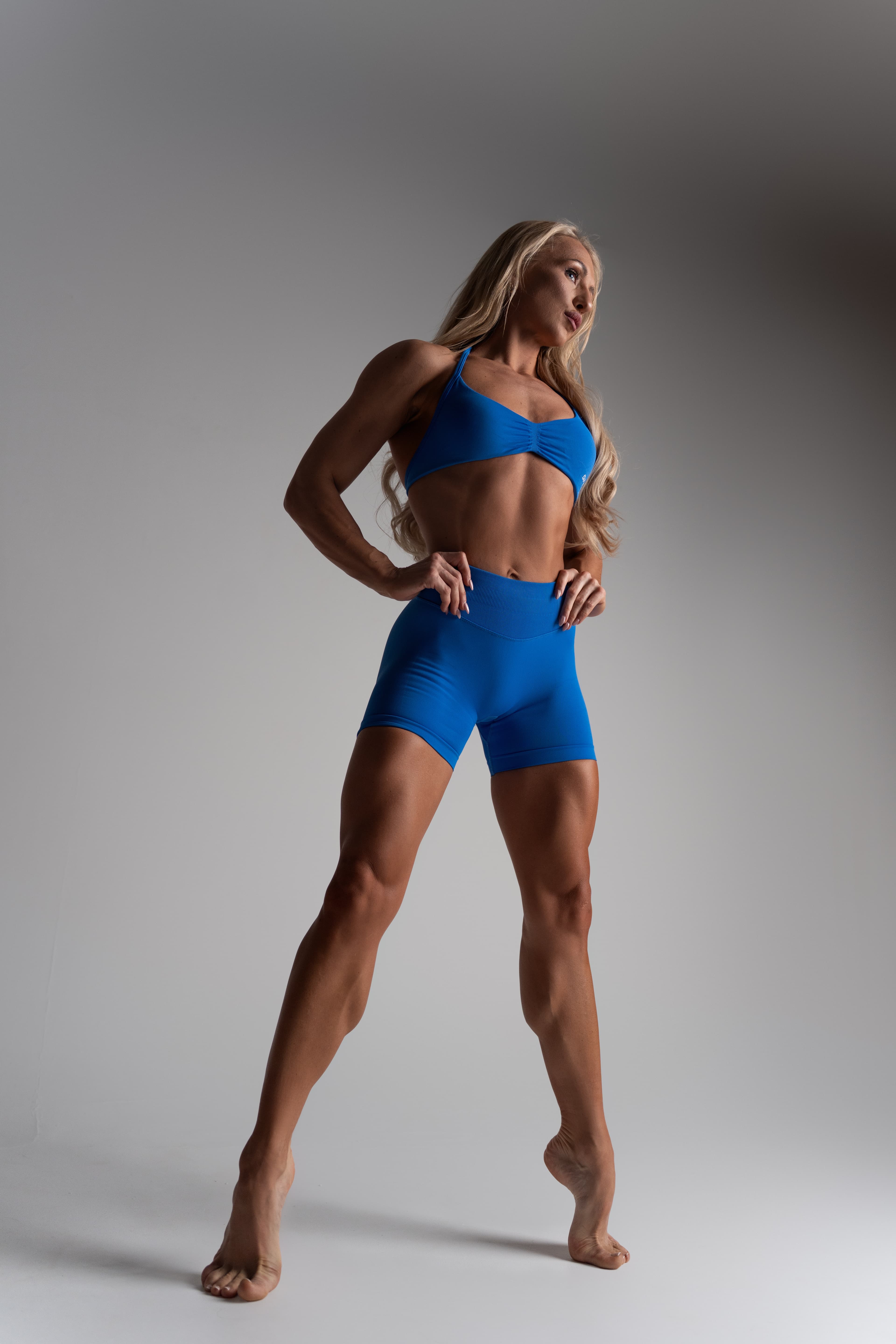
What you do - and don't do - in the 72 hours before a physique shoot matters more than most people realise. A practical guide with no last-minute panic.
A shoot does not begin when you walk through the studio door. It begins three days before that, in the small decisions you make about sleep, food, and how you spend your time. Most of these are obvious once someone points them out - but nobody ever does.
The Week Before: Do Less, Not More
The week before a shoot is not the time to hit a new personal record, try a new training stimulus, or radically change your diet. Your body needs time to recover and fill out. Heavy training in the final days before a shoot often leaves muscles flat rather than full, and soreness affects posture in ways that are impossible to hide on camera. Ease back on volume, prioritise sleep, and let your body settle.
No Last-Minute Cutting
This one matters enough to say plainly: do not attempt any form of water manipulation, aggressive caloric restriction, or extreme sodium reduction in the 48 hours before your shoot. The risk-to-reward ratio is simply not in your favour. Aggressive last-minute cutting depletes glycogen, which flattens muscle bellies and reduces definition - the opposite of what you want. It also affects energy levels and mood, both of which are visible in photographs. If you arrive looking a little softer than peak, we work with what's there. If you arrive depleted, we work harder.
“A flat, depleted physique photographs worse than a slightly softer, full one. Every time.”
- Zlata JPEG
The Night Before
Go to bed early. This sounds almost insultingly simple, but it is consistently one of the things clients skip. Sleep is where recovery happens - skin looks better, eyes are brighter, posture is less guarded, and your ability to receive direction and adapt in the moment is significantly improved when you are well rested. Avoid alcohol the night before. Lay out everything you're bringing so the morning isn't chaotic.
The Morning Of
Give yourself more time than you think you need. A slow, unhurried morning reduces cortisol, and cortisol causes water retention and psychological tension - neither of which serve you in a studio. Eat a normal meal at your normal time. Hydrate as you normally would. Bring any pump-up tools, resistance bands, or pre-workout routines you use before training - these work just as well before a shoot and can make a real difference to muscle fullness.
Bring options for posing trunks, bikinis, or outfits rather than committing to one in advance. What looks best under studio lighting can be different from what you expected, and having choices means we can make that decision in the moment with the actual light rather than before it.
What to Bring
Backup outfit options. Water and a carbohydrate snack to maintain fullness between sets. Any tan touch-up products if you have applied competition tan. A resistance band or light weights if you use pump-up protocols. Any reference images you've saved - poses, lighting styles, or images of your own that you'd like to build on.