Lighting control, visual diversity, comfort with the public - here's an honest breakdown of what each environment actually offers and how to choose.
When clients begin planning their shoot, the studio-versus-outdoor question often comes up early - and the honest answer is that neither is inherently better. Each environment makes different things possible and impossible, and the right choice depends on what you want the images to say and what experience you want to have making them.
Studio: Control, Consistency, Privacy
The primary advantage of a studio is a greater degree of control over the shooting environment. In a daylight studio, natural light is still a factor - the sun moves, cloud cover shifts, and the quality of light changes across the session - but wind, rain, temperature, and public footfall are removed from the equation. In a studio using artificial lighting, that control extends further: the light stays consistent across the full session, which allows more time to refine posing and explore different setups without the pressure of a disappearing golden hour.
For physique work specifically, the ability to sculpt directional light with precision is significant. Studio allows us to control exactly where shadows fall and how muscle definition reads on camera. If your primary goal is a clean, powerful physique portrait with controlled drama, studio is almost always the right environment.
There is also the privacy dimension. Many clients, particularly those in early stages of building confidence in front of a camera, find the contained, private environment of a studio substantially easier. There are no strangers walking past. Nobody is watching. The space is entirely yours for the duration of the session.

Outdoor: Atmosphere, Diversity, Natural Light
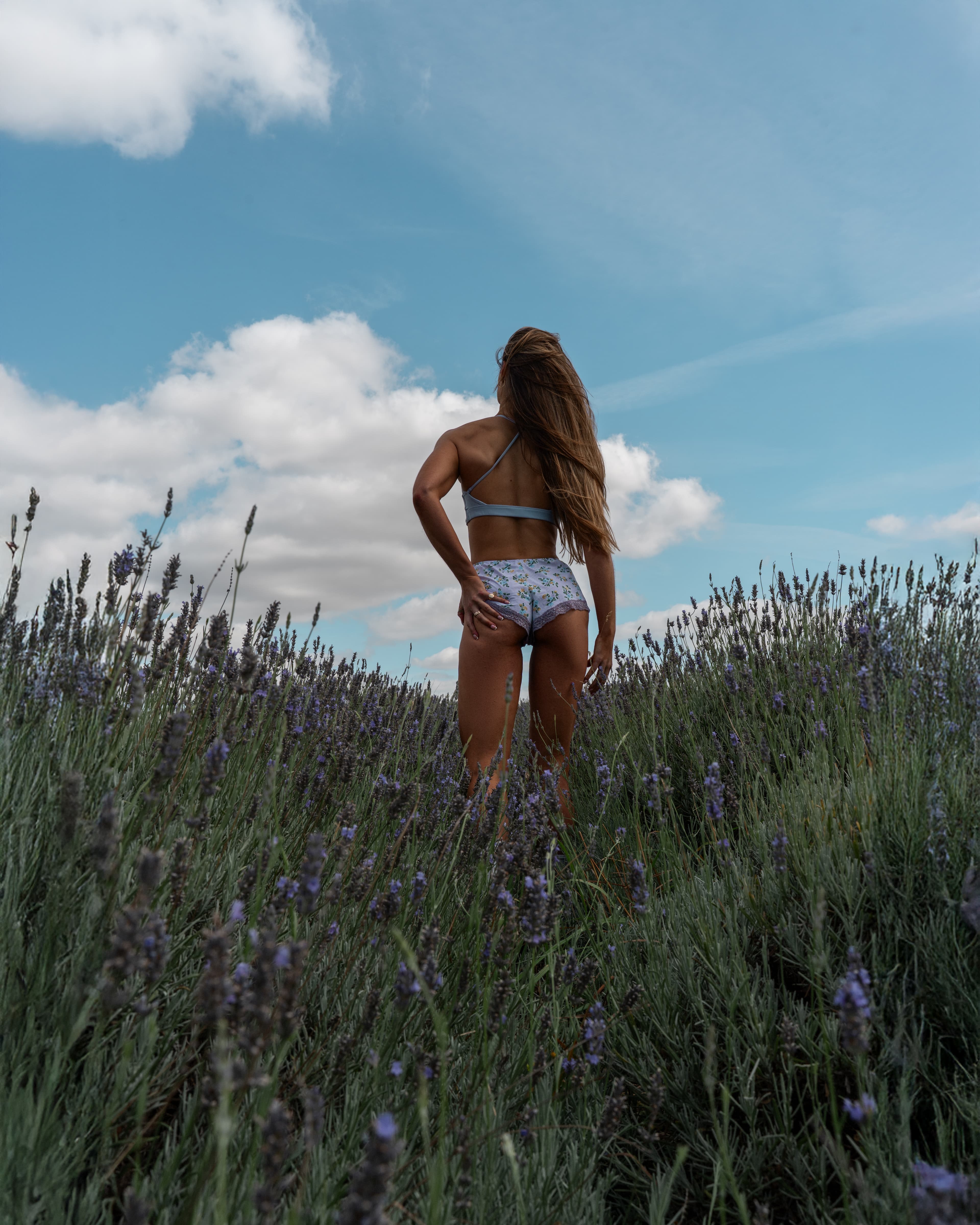
Outdoor shooting offers something a studio fundamentally cannot: a sense of place. Natural environments add texture, scale, and an atmospheric quality that grounds the images in a world beyond the frame. For clients who want a broader visual narrative - images that feel less like portraits and more like editorial spreads - outdoor locations introduce that range.
The variety within a single outdoor location can also be significant. A session in a park or along a waterfront might yield ten genuinely different visual environments within a short walk: open sky, dappled shade, architectural contrast, industrial texture. This diversity can give a gallery a breadth that a single-room studio session has to work harder to achieve.
“Natural light has a quality that no modifier can fully replicate - and so does the unpredictability that comes with it.”
- Zlata JPEG
The Honest Limitations of Each
Outdoor shoots are subject to weather, time of day, and seasonal light - all of which are outside our control. A session planned for golden hour can be compromised by cloud cover. Locations that look ideal in scouting photographs can be crowded on the day. For clients who find public spaces uncomfortable, or who are shooting in minimal competition wear, the presence of other people in the environment is a real consideration rather than a minor footnote.
Studio shooting, for all its control, produces images that exist within a visual vocabulary that some clients find limiting - the clean background, the contained environment, the aesthetic that reads distinctly as "studio." Whether that's a limitation or a strength depends entirely on the look you are after.
How to Decide
For most first-time clients, I recommend starting in a studio. The controlled environment reduces variables and allows us to focus entirely on you rather than navigating logistics, lighting changes, and location dynamics simultaneously. Once you have studio images in hand, the decision to add outdoor work in a future session - or to combine both in a single extended shoot - becomes much easier to make from a position of experience rather than guesswork.
If you're uncertain which direction suits your vision, reach out before you book. A brief conversation about what you want the images to feel like usually makes the choice obvious.