Peak week is not the best time for a photoshoot. Here's the case for scheduling 2 to 3 weeks post-show - and how it actually supports your reverse diet.
One of the most common questions I get from competitors is: "Should I book the shoot for peak week?" It is a logical assumption - peak week represents the visual apex of months of preparation, so why wouldn't you photograph it then? The answer is more nuanced than it first appears, and for most people, 2 to 3 weeks post-show produces significantly better photographs than peak week itself.
Why Peak Week Is Often Not the Right Time
During peak week, most competitors are managing significant physiological stress alongside the psychological pressure of the competition itself. Water manipulation, carbohydrate loading and depletion cycles, disrupted sleep, and elevated anxiety are the standard conditions. These factors affect the skin, the face, and the energy someone brings to a shoot. Even when the physique is technically at its best, the person inside it is often not.
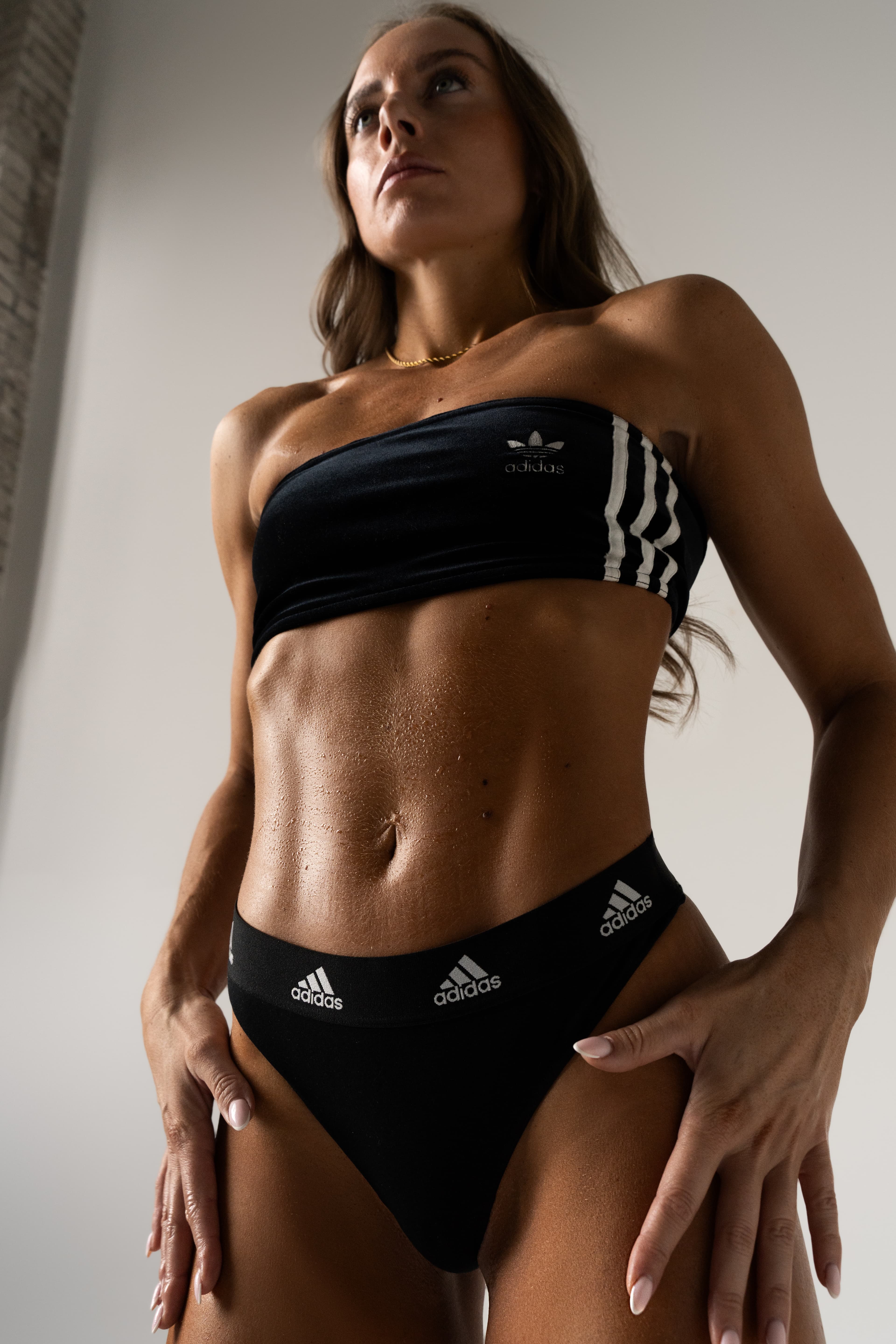
Peak week conditioning is also somewhat deceptive on camera. The extreme dryness and depletion that reads well under competition stage lighting - harsh, directional, and deliberately unflattering in ways that reward striation - does not always translate to studio or natural light. Studio lighting is more revealing of texture and dimension. A physique that is 2 weeks into a structured reverse diet, with glycogen stores refilling and the skin recovering, often photographs with more depth and visual interest.
The Case for 2 to 3 Weeks Post-Show
In the 2 to 3 week window after a competition, most competitors are still carrying very low body fat while beginning to refuel. Glycogen is returning to the muscles, giving them a fuller, rounder appearance. The skin has recovered from any competition tan and the slight dehydration that peak week induces. Energy levels are improving, which matters enormously for the quality of presence in a photograph.
“Two weeks out from stage, you still look like a competitor. But you look like one who has had some sleep.”
- Zlata JPEG
How the Shoot Supports Your Reverse Diet
There is a secondary benefit that is rarely discussed: having a shoot booked in the weeks following a competition gives a concrete structural anchor to the post-show period. The post-competition window is psychologically difficult for many competitors. The purpose and discipline that defined prep suddenly disappears, and the reverse diet requires its own form of rigour - eating more, methodically, without the goal of stage condition to motivate it.
A shoot date functions as a continuation of that structure. You are still caring for your physique with intention. You still have a reason to sleep well, manage stress, and make deliberate choices in the days prior. For many of my clients, the shoot has become a planned part of the competition cycle rather than an afterthought - a way of documenting the achievement and maintaining momentum through what is otherwise a psychologically ambiguous period.
A Note on Timing Flexibility
Every body responds differently to the post-show period. Some competitors rebound quickly; others hold their conditioning for longer. If you are unsure about your ideal window, I am happy to discuss the specifics of your situation before you book. The goal is always to schedule around when you will feel - and photograph - at your best, not to fit a generic template.